The Plex NAS build: Quick Sync, done right
 By Ryan Fournier · Reviewed by Claire Bergeron · Updated · Prices checked
 The key to a Plex NAS is Intel Quick Sync: the integrated-GPU transcoder that turns one 4K stream into several without a discrete card. A soldered Intel N100 board (about CA$220), 16 GB SO-DIMM, a 256 GB boot SSD, a four-bay case and an 80 Plus PSU comes to about CA$520 without drives and transcodes 4K HEVC comfortably. Avoid ARM boxes and embedded Ryzens for Plex: they have no usable hardware transcoder.
Why Quick Sync is the whole decision
 JONSBO N4 Black NAS Pc Case, Walnut Wood, 8-Drive Bay/6 * 3.5 "HDD (4 hot-swap,2 Non hot-swap),2 * 2.5SSD,Micro ATX Chassis, USB3.2Gen2Type-C, 1x120mm Fan Built-in, Black
 be quiet! Pure Power 12 750W Gaming PSU, 80 Plus Gold, ATX 3.1, 12V-Rail
Known subtotal: CA$286 · prices verified for 2 of 6 required parts; not priced: Board with CPU, Memory, Boot + metadata SSD, Media drives
Plex's hard job is transcoding: converting a 4K HEVC file on the fly to something a phone or older TV can play. Software transcoding on the CPU chews through cores; Intel Quick Sync, the iGPU transcoder in N-series, Pentium and Core-i chips, does it in dedicated silicon, handling multiple 4K streams while sipping power. That is why the CPU choice, not the drives, defines a Plex build.
The trap to avoid: ARM NAS boxes and embedded Ryzen Synology models (DS925+, DS923+) have no usable hardware transcoder for Plex, so they fall back to slow software transcoding. For a Plex server, buy Intel with Quick Sync: an N100 is enough for most, a Pentium or Core-i for many simultaneous 4K streams.
The parts, and the drives for media
The parts cards above are the same efficient N100 base as the general N100 build, chosen here for Quick Sync. For the media itself, a large media library is written once and read as a stream, so it is the ideal case for fewer, larger CMR drives (12, 16 or 20 TB) sized with the drive-count calculator. An SSD cache does little for Plex (media is read once), so put the money into capacity, not flash.
One thing worth adding on a media server is a small SSD for Plex's metadata and thumbnails, which are read and written constantly: keeping those off the spinning drives keeps the library snappy.
Running cost, and Plex Pass
An N100 Plex NAS with four drives draws about 40 W: see the power-cost guide for the yearly figure in your province (roughly CA$27 in Quebec to CA$60 in the Maritimes). Note that hardware transcoding on Plex requires a Plex Pass subscription; without it, Quick Sync sits idle and Plex transcodes in software, so budget the Pass into a Plex build.
As an Amazon Associate we earn from qualifying purchases on Amazon.ca.
NAS drives on Amazon.ca by CA$/TB
Whichever model you choose, it needs CMR NAS drives rated for 24/7 use. These are the current best value per terabyte, live from Amazon.ca in Canadian dollars.
| Model | Capacity | Recording | Price | CA$/raw TB | |
|---|---|---|---|---|---|
 Western Digital 20TB WD Red Pro NAS Internal Hard Drive HDD - 7200 RPM, SATA 6 Gb/s, CMR, 512 MB Cache, 3.5" - WD202KFGXNewbest price per TB CMR recording, SATA NAS drive rated for 24/7 use Amazon.ca · sold by Amazon.ca · one bare internal drive; shipping and taxes not included · checked Oct 15, 2026CA$1,201Buy on Amazon | 20 TB | CMR ✓ | CA$1,201 | CA$60.03/TB | Buy on Amazon |
 Western Digital 22TB WD Red Pro NAS Internal Hard Drive HDD - 7200 RPM, SATA 6 Gb/s, CMR, 512 MB Cache, 3.5" - WD221KFGXNew CMR recording, SATA NAS drive rated for 24/7 use Amazon.ca · sold by Amazon US · one bare internal drive; shipping and taxes not included · checked Oct 15, 2026 · ships from the US through Amazon.caCA$1,452Buy on Amazon | 22 TB | CMR ✓ | CA$1,452 | CA$66.00/TB | Buy on Amazon |
 Western Digital 16TB WD Red Pro NAS Internal Hard Drive HDD - 7200 RPM, SATA 6 Gb/s, CMR, 256 MB Cache, 3.5" - WD161KFGXNew CMR recording, SATA NAS drive rated for 24/7 use Amazon.ca · sold by Amazon.ca · one bare internal drive; shipping and taxes not included · checked Oct 15, 2026CA$1,060Buy on Amazon | 16 TB | CMR ✓ | CA$1,060 | CA$66.25/TB | Buy on Amazon |
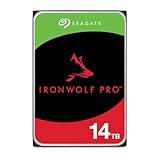 Seagate IronWolf Pro 14TB Enterprise NAS Internal HDD Hard Drive – CMR 3.5 Inch SATA 6Gb/s 7200 RPM 256MB Cache for RAID Network Attached Storage, Rescue Services - FFP (ST14000NTZ01)New CMR recording, SATA NAS drive rated for 24/7 use Amazon.ca · sold by Deals2You · one bare internal drive; shipping and taxes not included · checked Oct 15, 2026CA$930Buy on Amazon | 14 TB | CMR ✓ | CA$930 | CA$66.43/TB | Buy on Amazon |
 Western Digital 12TB WD Red Pro NAS Internal Hard Drive HDD - 7200 RPM, SATA 6 Gb/s, CMR, 512 MB Cache, 3.5" - WD122KFBXNew CMR recording, SATA NAS drive rated for 24/7 use Amazon.ca · sold by Amazon US · one bare internal drive; shipping and taxes not included · checked Oct 15, 2026 · ships from the US through Amazon.caCA$815Buy on Amazon | 12 TB | CMR ✓ | CA$815 | CA$67.94/TB | Buy on Amazon |
 Western Digital 4TB WD Red Plus NAS Internal Hard Drive HDD - 5400 RPM, SATA 6 Gb/s, CMR, 128 MB Cache, 3.5" - WD40EFZZNew CMR recording, SATA NAS drive rated for 24/7 use Amazon.ca · sold by Amazon.ca · one bare internal drive; shipping and taxes not included · checked Oct 15, 2026CA$275Buy on Amazon | 4 TB | CMR ✓ | CA$275 | CA$68.75/TB | Buy on Amazon |
 HD 18TB N300 PRO NAS 3.5 in 7200RPM SATA III TOSHIBA HDWG81JXZSTBNew CMR recording, SATA NAS drive rated for 24/7 use Amazon.ca · sold by Canada Direct - Often Ships Same Day! · one bare internal drive; shipping and taxes not included · checked Oct 15, 2026CA$1,253Buy on Amazon | 18 TB | CMR ✓ | CA$1,253 | CA$69.61/TB | Buy on Amazon |
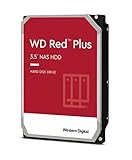 Western Digital 3TB WD Red Plus NAS Internal Hard Drive HDD - 5400 RPM, SATA 6 Gb/s, CMR, 256 MB Cache, 3.5" -WD30EFPXNew CMR recording, SATA NAS drive rated for 24/7 use Amazon.ca · sold by Generic Computer · one bare internal drive; shipping and taxes not included · checked Oct 15, 2026CA$210Buy on Amazon | 3 TB | CMR ✓ | CA$210 | CA$70.00/TB | Buy on Amazon |
 Seagate IRONWOLF 6TB NAS 3.5IN 6GB/S SATA 256MBNew CMR recording, SATA NAS drive rated for 24/7 use Amazon.ca · sold by Compute4Less Corp · one bare internal drive; shipping and taxes not included · checked Oct 15, 2026CA$423Buy on Amazon | 6 TB | CMR ✓ | CA$423 | CA$70.50/TB | Buy on Amazon |
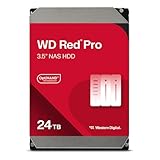 Western Digital 24TB WD Red Pro NAS Internal Hard Drive HDD - 7200 RPM, SATA 6 Gb/s, CMR, 512 MB Cache, 3.5" - WD241KFGXNew CMR recording, SATA NAS drive rated for 24/7 use Amazon.ca · sold by Amazon US · one bare internal drive; shipping and taxes not included · checked Oct 15, 2026 · ships from the US through Amazon.caCA$1,697Buy on Amazon | 24 TB | CMR ✓ | CA$1,697 | CA$70.71/TB | Buy on Amazon |
 HD 14TB N300 PRO NAS 3.5 in 7200RPM SATA III TOSHIBA HDWG81EXZSTBNew CMR recording, SATA NAS drive rated for 24/7 use Amazon.ca · sold by Canada Direct - Often Ships Same Day! · one bare internal drive; shipping and taxes not included · checked Oct 15, 2026CA$992Buy on Amazon | 14 TB | CMR ✓ | CA$992 | CA$70.87/TB | Buy on Amazon |
 Toshiba N300 PRO 8TB Large-Sized Business NAS (up to 24 Bays) 3.5-Inch Internal Hard Drive - Up to 300 TB/Year Workload Rate CMR SATA 6 GB/s 7200 RPM 512 MB Cache - HDWG780XZSTBNew CMR recording, SATA NAS drive rated for 24/7 use Amazon.ca · sold by OneDealOutlet Canada · one bare internal drive; shipping and taxes not included · checked Oct 15, 2026CA$572Buy on Amazon | 8 TB | CMR ✓ | CA$572 | CA$71.51/TB | Buy on Amazon |
Step by step
- Build the base. Assemble the N100 board, RAM and boot/metadata SSD, then mount everything in the case with the media drives.
- Install the OS. Install TrueNAS SCALE, Unraid or a Linux distro, and create the media pool at your chosen RAID level.
- Install Plex and enable Quick Sync. Install Plex (or the Plex container), subscribe to Plex Pass, and turn on hardware transcoding in Settings > Transcoder.
- Point Plex at the library. Store the media on the pool and Plex's metadata on the SSD; add the libraries and let it scan.
Read more
- The general N100 build
- Best NAS for a Canadian home
- How many drives do I need?
- NAS power cost by province
Frequently asked questions
What CPU do I need for a Plex NAS?
An Intel chip with Quick Sync: an N100 handles a couple of 4K transcodes and sips power; a Pentium or Core-i handles many. Avoid ARM NAS boxes and embedded-Ryzen Synology models (DS925+, DS923+): they have no usable hardware transcoder and fall back to slow software transcoding.
Does a Plex NAS need an SSD cache?
No. Plex reads media once as a stream, which a cache does not accelerate. Put the money into capacity instead. A small SSD for Plex's metadata and thumbnails is worthwhile, since those are read and written constantly.
Do I need Plex Pass for hardware transcoding?
Yes. Plex's hardware transcoding (Quick Sync) requires a Plex Pass subscription. Without it, Plex transcodes in software on the CPU, which negates the reason to buy an Intel Quick Sync chip. Budget the Pass into the build.
Ryan Fournier covers home-server hardware and efficiency at nasdrives.ca: the right power supply, the UPS, and what a NAS actually draws running around the clock, priced against Canadian hydro rates.
 Reviewed by Claire Bergeron, Editor-in-chief